At Lutwyche Veterinary Surgery, one of the most common comments we hear from pet owners is:
“But he’s still eating normally.”
It’s a reasonable assumption. If your dog or cat is eating, playing and behaving as usual, it’s easy to think their teeth must be fine.
However, dental disease is one of the most common health problems we see in companion animals, and many pets continue to eat despite having significant oral pain and infection.
That’s why routine dental care is such an important part of keeping your pet healthy and comfortable throughout their life.
Dental Disease Is More Common Than Most People Realise
Just like people, dogs and cats develop plaque on their teeth every day.
Over time, plaque hardens into tartar, and bacteria begin to accumulate around the gums. If left untreated, the inflammation and infection can spread below the gumline and start affecting the tissues that support the teeth.
Some of the signs owners may notice include:
However, many pets show few obvious signs until the disease becomes quite advanced.
In fact, we often diagnose significant dental disease during routine health checks in pets whose owners have not noticed any changes at home.
Why Professional Dental Procedures Are Important
A professional dental procedure involves much more than simply cleaning visible tartar from the teeth.
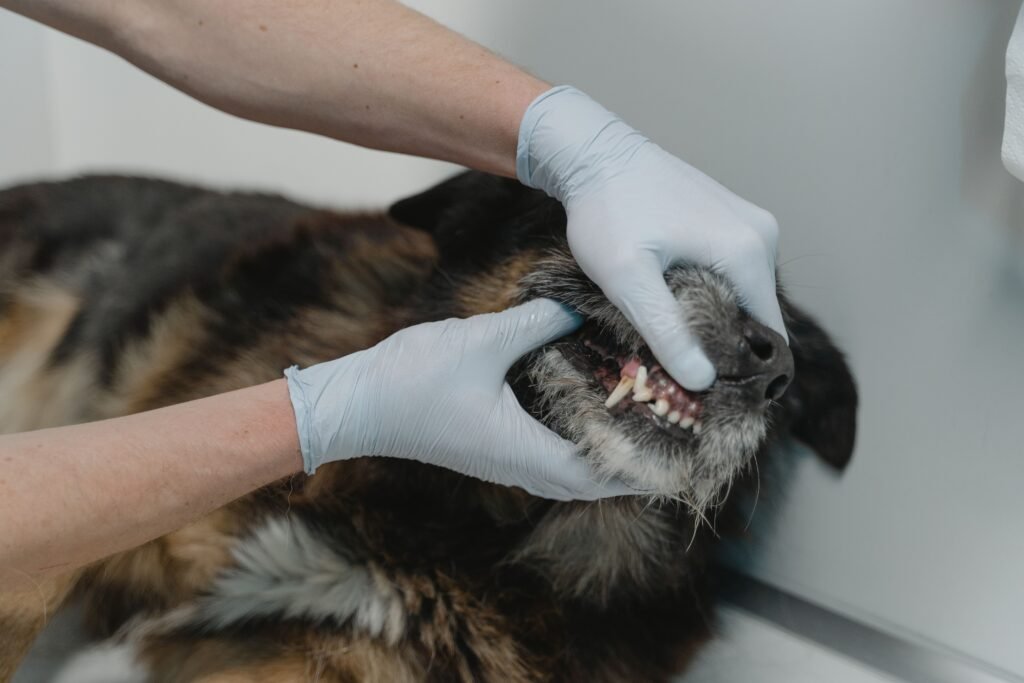
During a dental procedure at Lutwyche Veterinary Surgery, your pet undergoes a thorough oral examination under general anaesthesia. This allows our veterinarians to assess each tooth individually and clean both above and below the gumline.
The aim is not only to improve the appearance of the teeth, but also to identify and treat painful disease that may be affecting your pet’s quality of life.
Regular dental procedures can help:
- Reduce bacterial build-up
- Slow the progression of periodontal disease
- Improve oral comfort
- Address infected or damaged teeth
- Improve overall oral health
For many pets, owners notice improvements in comfort, energy levels and even appetite after dental treatment.
What We Can See Is Only Part of the Story
One of the biggest misconceptions about dental disease is that everything can be seen simply by looking inside the mouth.
In reality, approximately two-thirds of a tooth sits below the gumline.
This means a tooth may appear relatively normal on the surface while significant disease is developing around the roots and surrounding bone.
A useful comparison is an iceberg. The visible portion above the water represents only a small part of the entire structure.
The same is true for teeth.
Why Dental X-Rays Are So Important
Dental X-rays allow veterinarians to examine the parts of the tooth that cannot be seen during a visual examination.
These images help us assess the tooth roots, surrounding bone and deeper structures beneath the gumline.
Dental radiographs can reveal:
- Tooth root abscesses
- Bone loss associated with periodontal disease
- Fractured tooth roots
- Retained roots from previous extractions
- Tooth resorption, particularly in cats
- Hidden infection and inflammation
In many cases, a tooth that appears acceptable during an oral examination may have significant disease beneath the surface.
Likewise, dental X-rays can help us determine whether a questionable tooth can be monitored or whether treatment is needed.
Without dental radiography, some of these conditions may go undetected.
Why We Invested in Dental X-Ray Technology
At Lutwyche Veterinary Surgery, we believe that quality dental care should involve more than simply removing visible tartar.
That’s why we have invested in dedicated dental X-ray equipment as part of our dental services.
Dental radiography allows our veterinarians to obtain a more complete picture of your pet’s oral health and make informed treatment decisions based on what is happening both above and below the gumline.
By combining professional dental procedures with dental X-rays, we are able to identify hidden disease, assess the health of tooth roots and provide a more thorough evaluation of your pet’s mouth.
For many patients, these images provide valuable information that cannot be obtained through a visual examination alone.
Is Your Pet Due for a Dental Check?
If your dog or cat is over three years of age, has noticeable tartar, bad breath, or has never had a professional dental assessment, it may be worth scheduling a dental check-up.
Even if your pet appears comfortable and continues eating normally, dental disease can often be present beneath the surface.
Our team at Lutwyche Veterinary Surgery can assess your pet’s oral health, discuss any concerns and help you determine the most appropriate dental care plan.
A healthy mouth doesn’t just mean fresher breath. It can mean less pain, greater comfort and a better quality of life for your pet.
If you would like to learn more about dental care or book a dental consultation, contact Lutwyche Veterinary Surgery today.