Veterinary Cytology & Microscopic Examination
Looking Beyond What We Can See
Many skin conditions, ear infections and lumps can look very similar during a physical examination. While an experienced veterinarian can often develop a list of possible causes, the most appropriate treatment frequently depends on what is happening at a microscopic level.
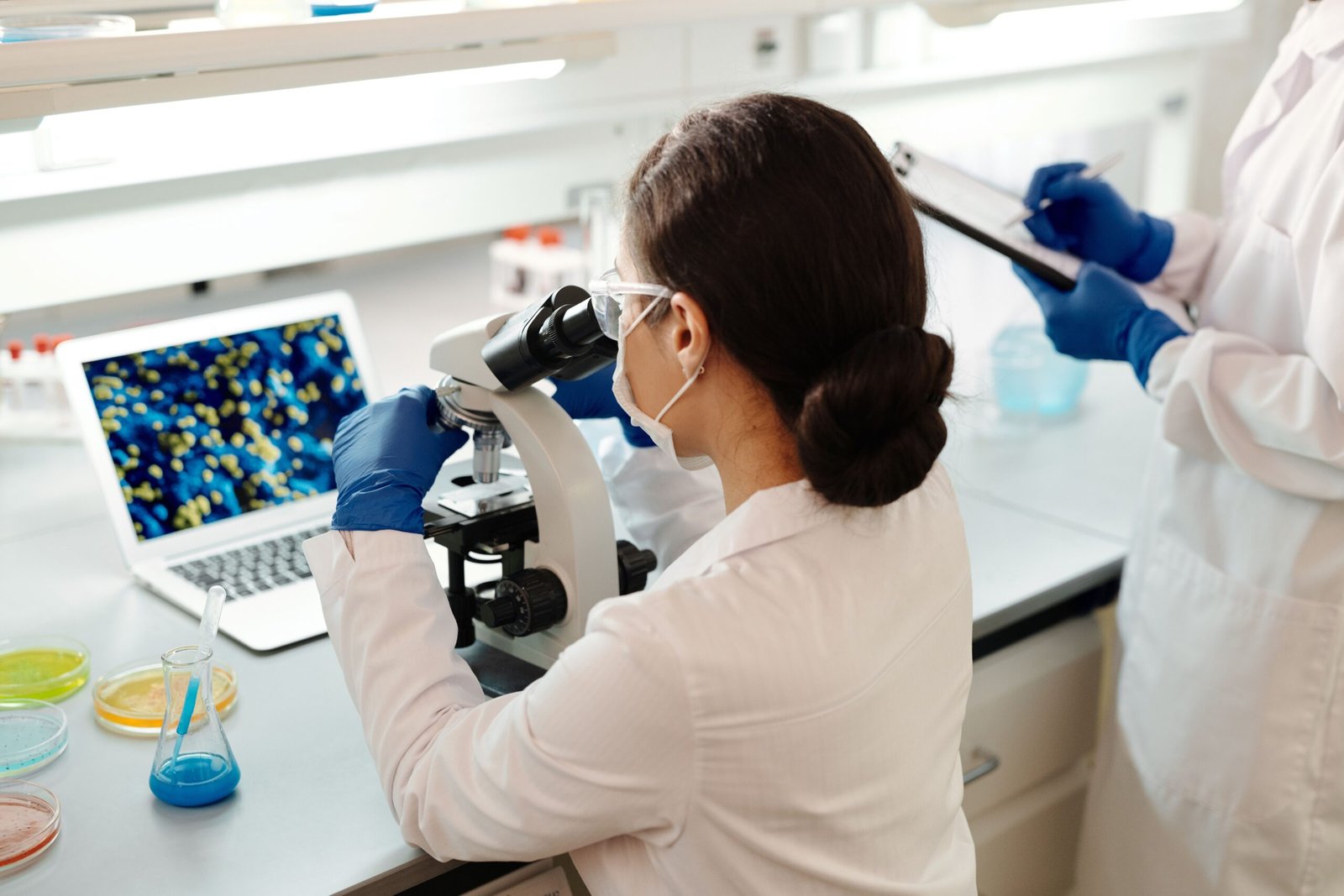
At Lutwyche Veterinary Surgery, we routinely perform cytology and microscopic examinations as part of our diagnostic work-up. These simple, minimally invasive tests allow us to examine cells, bacteria, yeast, inflammatory changes and other microscopic structures that cannot be seen with the naked eye.
By obtaining more accurate diagnostic information, we can provide more targeted treatment and avoid unnecessary medications whenever possible.
What Is Veterinary Cytology?
Cytology is the study of individual cells collected from different parts of the body.
Small samples are placed onto microscope slides, stained with specialised dyes and examined under a microscope by our veterinary team.
In many cases, cytology can provide valuable diagnostic information within the same consultation or later that day.
When Is Cytology Recommended?
Your veterinarian may recommend cytology for a wide range of conditions.
Common examples include:
- Ear infections
- Skin infections
- Itchy skin and allergies
- Lumps and skin masses
- Abscesses
- Wounds
- Non-healing skin lesions
- Enlarged lymph nodes
- Certain oral lesions
Ear Cytology
Ear cytology is one of the most commonly performed diagnostic tests in veterinary medicine.
Rather than prescribing medication based on appearance alone, microscopic examination helps us identify whether your pet’s ear infection is caused by:
- Yeast
- Bacteria
- Inflammatory cells
- Ear mites (when present)
This allows us to select the most appropriate treatment and monitor your pet’s response during follow-up visits.
Skin Cytology
Many itchy dogs have bacterial or yeast infections that cannot be accurately assessed by visual examination alone.
Skin cytology helps identify:
- Bacterial infections
- Yeast overgrowth
- Inflammatory cells
- Certain parasites
- Changes that may require further investigation
This information is particularly valuable when managing chronic skin allergies or recurrent skin infections.
Fine Needle Aspirate (FNA) Cytology
When investigating lumps or swellings, your veterinarian may recommend a Fine Needle Aspirate (FNA).
Cells collected from the lump are examined under the microscope and may help determine whether the lump is:
- Benign
- Inflammatory
- Infectious
- Suspicious for cancer
- Likely to require surgical removal
Some samples can be assessed in-house, while others are submitted to a specialist veterinary pathologist for further evaluation.
Urine Sediment Examination
Microscopic examination also plays an important role in urinalysis.
Using our advanced IDEXX SediVue Dx® technology together with veterinary interpretation, we can identify:
- Red blood cells
- White blood cells
- Bacteria
- Crystals
- Casts
- Epithelial cells
This information assists in diagnosing urinary tract disease, kidney disease, diabetes and many other medical conditions.
Why Is Cytology Important?
Microscopic examination helps us move beyond educated guesses.
Instead of simply treating symptoms, cytology allows us to identify the underlying cause of many common conditions.
Benefits include:
- More accurate diagnosis
- Targeted treatment
- Reduced unnecessary antibiotic use
- Earlier identification of serious disease
- Better monitoring of treatment response
- Improved long-term outcomes
Evidence-based diagnosis helps ensure your pet receives the most appropriate care.
Advanced In-House Diagnostic Technology
Lutwyche Veterinary Surgery is equipped with a modern IDEXX in-house diagnostic laboratory, allowing many diagnostic tests to be performed without waiting days for external laboratory results.
Combined with microscopic examination by our experienced veterinary team, this enables us to diagnose many conditions more quickly and begin appropriate treatment sooner.
For more complex or unusual cases, we also work closely with specialist veterinary pathologists to ensure your pet receives the highest standard of diagnostic care.
Frequently Asked Questions
Does cytology hurt?
Most cytology procedures involve collecting a small sample using a swab, sticky tape preparation, impression smear or fine needle aspirate.
These procedures are generally quick and well tolerated by most pets.
Will my pet need sedation?
Most cytology samples can be collected without sedation.
Occasionally, sedation may be recommended if the affected area is particularly painful or difficult to access.
Can cytology diagnose cancer?
Cytology can often provide valuable information about many types of lumps and masses.
However, some cases require additional testing such as biopsy or histopathology to obtain a definitive diagnosis.
Your veterinarian will discuss the most appropriate next steps if required.
How quickly are results available?
Many cytology samples can be examined on the same day in our clinic.
Some samples are submitted to specialist veterinary pathologists for additional evaluation, which may take a few days.
Why Choose Lutwyche Veterinary Surgery?
At Lutwyche Veterinary Surgery, we believe accurate diagnosis is the foundation of excellent veterinary care.
Rather than relying solely on visual examination, we routinely incorporate cytology and microscopic examination into our diagnostic approach whenever appropriate. This allows us to better understand your pet’s condition and recommend treatments based on objective diagnostic evidence rather than assumptions.
By combining advanced in-house laboratory technology, modern microscopy and experienced clinical interpretation, we are committed to providing thorough, evidence-based veterinary care for every patient.
Book an Appointment
If your dog or cat has an ear infection, itchy skin, a new lump or another condition that may benefit from microscopic examination, our experienced veterinary team is here to help.
Contact Lutwyche Veterinary Surgery on (07) 3161 6237 or book online to arrange an appointment today.