

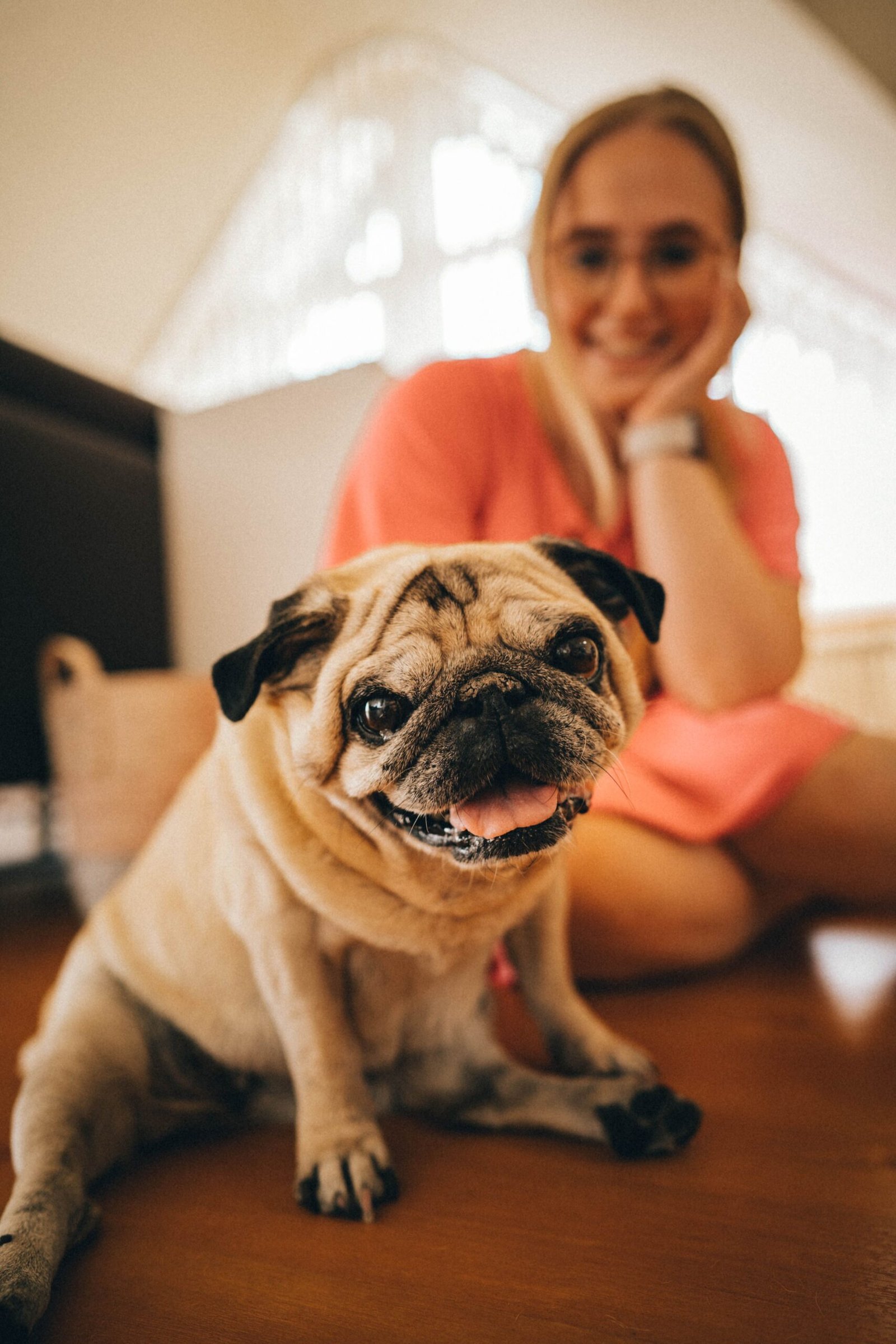
Dog Ear Infection Treatment
Is Your Dog Shaking Their Head or Scratching Their Ears?
Ear infections are one of the most common reasons dogs visit the veterinarian. They can be uncomfortable, painful and, if left untreated, may become chronic or lead to permanent changes within the ear canal.
At Lutwyche Veterinary Surgery, we provide thorough diagnosis and personalised treatment for dogs with ear infections. Our goal is not only to treat the current infection but also to identify any underlying causes to help reduce the risk of future flare-ups.
Signs Your Dog May Have an Ear Infection
Common signs include:
- Frequent head shaking
- Scratching or rubbing the ears
- Red or inflamed ears
- Brown, yellow or black ear discharge
- A bad smell coming from the ears
- Pain when the ears are touched
- Holding one ear lower than the other
- Sensitivity around the head
- Swollen ear canals
- Loss of balance or head tilt in more severe cases
If your dog is showing any of these signs, we recommend booking an appointment as soon as possible.
What Causes Ear Infections?
Ear infections can develop for many different reasons, and successful treatment often depends on identifying the underlying cause.
Common causes include:
Skin Allergies
Allergies are one of the most common causes of recurring ear infections in dogs.
Environmental allergies, food allergies and flea allergies can all contribute to inflammation within the ear canal.
Bacteria and Yeast
Healthy ears naturally contain small numbers of microorganisms. When the ear becomes inflamed, bacteria or yeast can multiply and cause infection.
Foreign Material
Grass seeds, dirt or other foreign material can become lodged inside the ear canal and cause irritation and infection.
Ear Mites
Although more common in puppies and cats, ear mites can occasionally affect dogs.
Excess Moisture
Dogs that swim frequently may be more prone to ear infections due to increased moisture within the ear canal.
How We Diagnose Ear Infections
Every ear infection is different.
During your consultation, our veterinarian will perform a thorough ear examination to determine the type and severity of the problem.
This may include:
- Physical examination
- Examination of both ears using an otoscope
- Assessment of the ear canal and eardrum where possible
- Ear cytology (microscopic examination of ear discharge)
- Investigation for underlying allergies or other contributing factors
Ear cytology allows us to identify whether bacteria, yeast or other organisms are present, helping us select the most appropriate treatment rather than relying on guesswork.
Treatment Options
Treatment depends on the underlying cause and severity of the infection.
Your dog’s treatment may include:
Ear Cleaning
Careful cleaning removes excess wax and debris, allowing medication to work more effectively.
For dogs with painful or chronic infections, deeper ear flushing under sedation or anaesthesia may occasionally be recommended.Ear Medications
Prescription ear medications are selected based on the findings of your dog’s examination and ear cytology.
Many infections respond well to modern long-acting ear medications, while others require daily treatment at home.
Treatment of Underlying Causes
If allergies, parasites or other medical conditions are contributing to your dog’s ear infections, these also need to be addressed to reduce the chance of recurrence.
Follow-Up Examinations
Some ear infections require rechecks to ensure the infection has completely resolved and that the ear canal is healing well.
Stopping treatment too early may result in the infection returning.
Why Do Ear Infections Keep Coming Back?
Recurring ear infections are often a sign of an underlying problem rather than bad luck.
Common reasons include:
- Skin allergies
- Incomplete treatment
- Chronic inflammation
- Narrow ear canals
- Underlying hormonal disease
- Ear polyps or masses (less common)
If your dog experiences repeated ear infections, we will investigate possible underlying causes and discuss a long-term management plan.
Frequently Asked Questions
Can an ear infection go away on its own?
Most ear infections require veterinary treatment. Delaying treatment can allow the infection to worsen and become more difficult to manage.
Why does my dog’s ear smell bad?
A strong odour commonly indicates bacterial or yeast overgrowth within the ear canal.
Should I clean my dog’s ears at home?
Some dogs benefit from routine ear cleaning, while others do not. We can recommend an appropriate ear cleaner and show you the safest technique if home cleaning is suitable.
Why does my dog keep getting ear infections?
Recurring ear infections are commonly associated with underlying skin allergies. Identifying and managing the underlying cause is often the key to preventing future infections.
Why Choose Lutwyche Veterinary Surgery?
Ear infections can be painful and frustrating, particularly when they keep returning.
At Lutwyche Veterinary Surgery, we focus on identifying the cause of your dog’s ear problem rather than simply treating the symptoms. By combining a thorough ear examination with microscopic evaluation of ear samples when appropriate, we can recommend targeted treatment and long-term management strategies tailored to your dog’s individual needs.
Book an Ear Examination
If your dog is shaking their head, scratching their ears or has a smelly or painful ear, don’t wait for the problem to worsen.
Contact Lutwyche Veterinary Surgery on (07) 3161 6237 or book online to arrange an ear examination with one of our experienced veterinarians.