

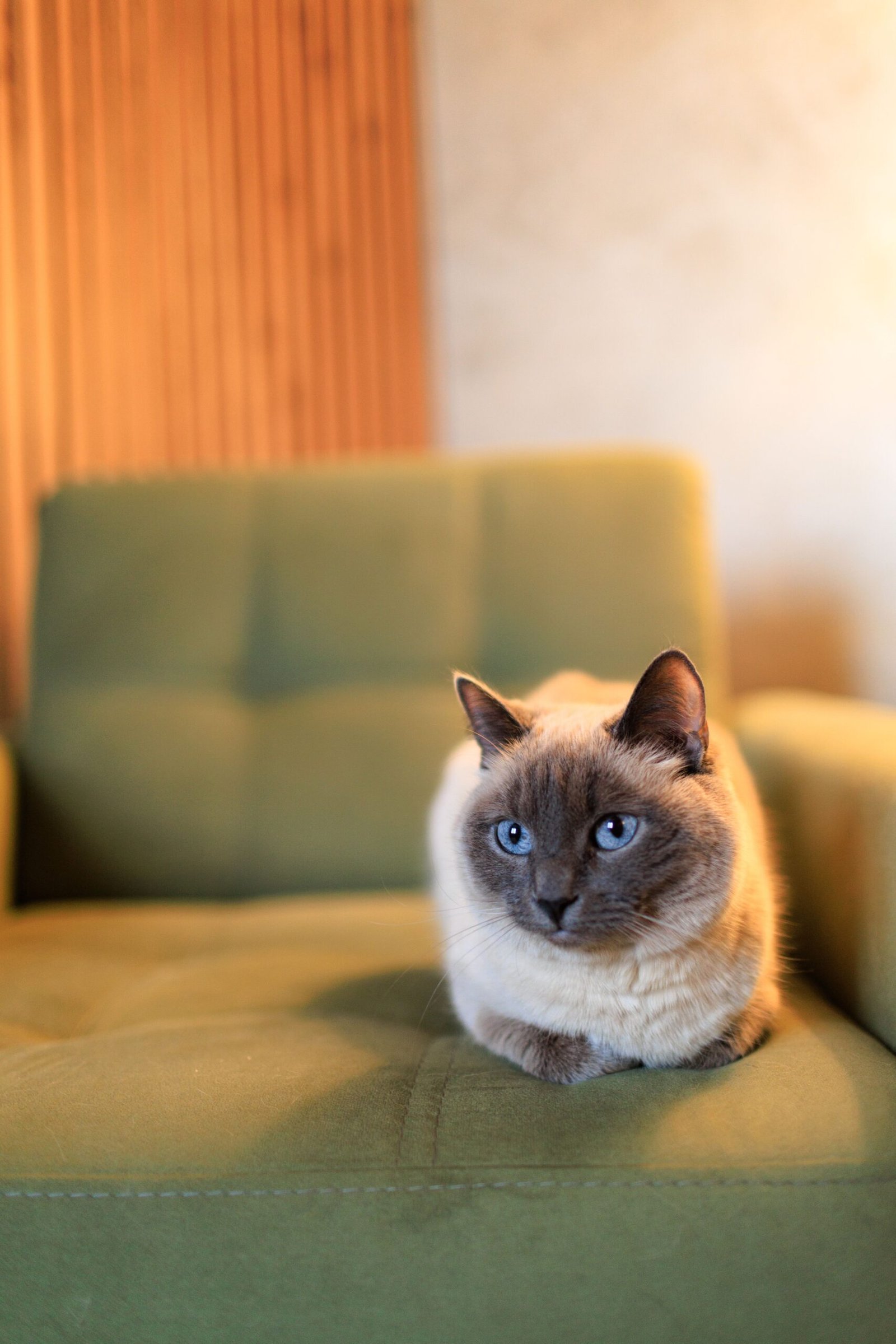
Kidney Disease in Cats
Is Your Cat Drinking More Water Than Usual?
If your cat has started drinking more water, urinating more frequently, losing weight or becoming less interested in food, they may be showing signs of Chronic Kidney Disease (CKD).
Kidney disease is one of the most common health conditions affecting older cats. While it cannot usually be cured, early diagnosis and appropriate treatment can often slow its progression and help maintain a good quality of life for many months or even years.
At Lutwyche Veterinary Surgery, we provide comprehensive assessment, diagnosis and long-term management plans tailored to each individual cat.
What Is Chronic Kidney Disease?
The kidneys perform many important functions, including:
- Removing waste products from the bloodstream
- Maintaining hydration
- Balancing electrolytes
- Regulating blood pressure
- Producing hormones involved in red blood cell production
As kidney function gradually declines, waste products accumulate in the bloodstream and cats begin to develop clinical signs.
CKD usually develops slowly and is most commonly diagnosed in middle-aged and senior cats.
Common Signs of Kidney Disease
Early kidney disease can be difficult to recognise because many cats appear otherwise healthy.
As the disease progresses, owners may notice:
- Drinking more water
- Passing larger amounts of urine
- Weight loss
- Reduced appetite
- Vomiting
- Bad breath
- Poor coat quality
- Lethargy
- Muscle loss
- Weakness
If you notice any of these signs, we recommend arranging a veterinary examination.
How Is Kidney Disease Diagnosed?
Because many illnesses cause similar signs, diagnosing kidney disease usually involves several tests.
Your veterinarian may recommend:
Comprehensive Physical Examination
A thorough examination helps assess your cat’s overall health, hydration, body condition and blood pressure.
Blood Tests
Blood testing allows us to evaluate kidney function and identify abnormalities such as increased creatinine, SDMA or changes in electrolyte levels.
Urinalysis
Examining your cat’s urine provides important information about kidney function and helps identify urinary tract infections or other urinary disorders.
Blood Pressure Measurement
Many cats with kidney disease also develop high blood pressure, which can damage the eyes, brain, heart and kidneys if left untreated.
Ultrasound or Digital X-rays
Diagnostic imaging may be recommended in some cats to assess kidney size, structure or to investigate other possible causes of illness.
Treatment Options
Although kidney disease cannot usually be reversed, many cats respond well to supportive treatment.
Depending on your cat’s condition, treatment may include:
Prescription Kidney Diets
Specially formulated veterinary diets are one of the most effective ways to slow the progression of chronic kidney disease.
Increasing Water Intake
Encouraging greater water consumption can help support hydration.
Many cats benefit from wet food, water fountains or multiple water stations throughout the home.
Medications
Some cats require medication to manage:
- High blood pressure
- Nausea
- Poor appetite
- Protein loss in the urine
- Low potassium
Treatment recommendations are tailored to each individual patient.
Regular Monitoring
Kidney disease is a lifelong condition.
Regular rechecks, including blood tests and urine testing, allow us to monitor progression and adjust treatment as needed.
Can Cats Live Well with Kidney Disease?
Yes.
Many cats with chronic kidney disease continue to enjoy a good quality of life for a long time following diagnosis.
Early detection, appropriate nutrition and regular monitoring play an important role in achieving the best possible outcome.
Frequently Asked Questions
Is kidney disease curable?
Chronic kidney disease cannot usually be cured, but it can often be successfully managed to improve quality of life and slow disease progression.
Why is my cat drinking so much water?
Increased thirst is one of the earliest signs of kidney disease, but it can also occur with diabetes, hyperthyroidism and other medical conditions. A veterinary examination is recommended.
How often should my cat be monitored?
Monitoring depends on the stage of kidney disease and your cat’s individual needs. Some cats require rechecks every few months, while others benefit from more frequent monitoring.
Should my cat eat a prescription kidney diet?
Prescription kidney diets are often recommended because they have been shown to help cats with chronic kidney disease live longer and maintain a better quality of life.
Your veterinarian will advise whether one is appropriate for your cat.
Why Choose Lutwyche Veterinary Surgery?
Managing chronic kidney disease involves much more than prescribing medication.
At Lutwyche Veterinary Surgery, we believe successful long-term management begins with understanding your cat’s individual needs and developing a personalised care plan.
Our typical 30-minute consultation appointments allow time to discuss your concerns, explain blood and urine test results, answer your questions and adjust treatment as your cat’s condition changes over time.
We are committed to helping both you and your cat navigate chronic kidney disease with confidence and compassion.
Book a Kidney Health Assessment
If your cat is drinking more water, losing weight or showing any signs of kidney disease, early assessment can make a significant difference.
Contact Lutwyche Veterinary Surgery on (07) 3161 6237 or book online to arrange a comprehensive health assessment with one of our experienced veterinarians.